Introduction:
Wearable health devices have transformed the healthcare landscape by making personal wellness data accessible to individuals and health providers. These innovative devices empower people to monitor their health metrics like heart rate, steps, sleep quality, and even stress levels. As public awareness grows around preventive care, fitness, and personalized health tracking, wearable health devices are becoming an essential tool for those aiming to enhance their well-being.
Whether you’re interested in fitness and physical activity, nutrition, preventive care, or healthcare innovations, wearable health devices offer unprecedented access to health data that empowers smarter decisions about well-being. This article explores how these devices support public health, optimize personal wellness, and connect seamlessly with healthcare technology, like cloud computing, to enhance accessibility read more.
Key Points at a Glance:
- Primary Benefits: Track real-time health data and encourage a healthier lifestyle.
- Integration with Technology: Sync with cloud computing for remote health monitoring.
- Applications in Public Health: Improve health awareness and preventive care.
- Support for Fitness and Diet: Boost fitness tracking and nutrition monitoring.
What Are Wearable Health Devices?
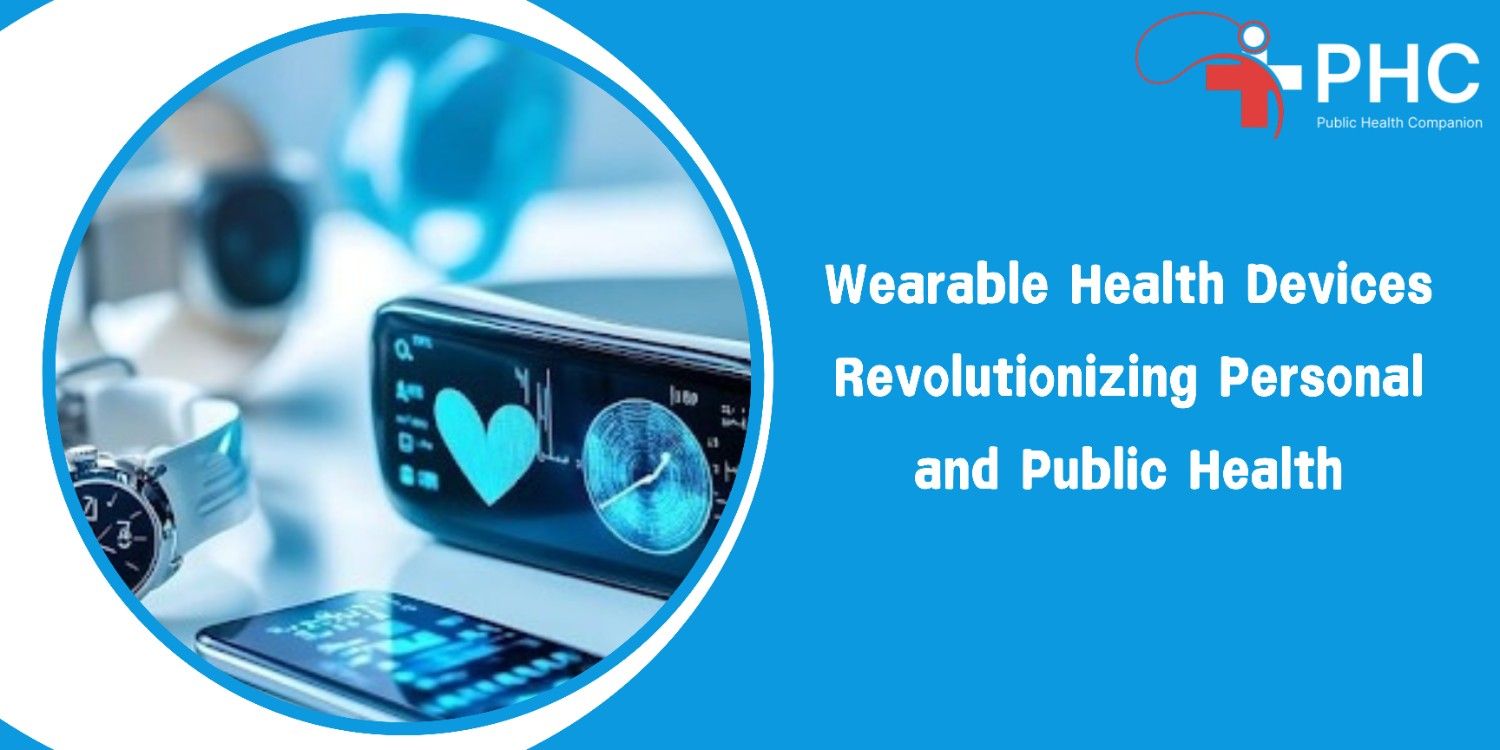
Wearable health devices are compact, high-tech gadgets that continuously collect, store, and sometimes even analyze physiological data to provide insights into an individual’s physical and mental well-being. These devices range from smartwatches and fitness bands to more advanced gadgets like ECG monitors and smart clothing .
Wearable devices have evolved from mere step counters to comprehensive health monitors, integrating with public health awareness efforts. As these devices improve, they are becoming integral to preventive care, fitness tracking, and even mental health monitoring.
How Wearable Health Devices Work with Cloud Computing:
Wearable health devices generate vast amounts of data, from heart rate and sleep cycles to calorie expenditure and blood oxygen levels. With the support of cloud computing, data collected by wearable devices can be stored and accessed in real-time by healthcare providers. This feature is especially valuable for people managing chronic conditions, who benefit from ongoing monitoring without the need for frequent office visits.
Key Benefits of Cloud Computing with Wearable Devices:
- Data Accessibility: Enables remote monitoring and real-time insights.
- Efficiency in Healthcare Innovations: Facilitates fast data processing and trend analysis.
- Enhanced Preventive Care: Alerts for potential health risks based on data patterns.
Wearable devices linked with cloud systems make it easier to track health data for longer periods, giving a clearer picture of individual and population health trends.
Benefits of Wearable Health Devices for Fitness and Physical Activity:

Fitness enthusiasts are perhaps the earliest adopters of wearable health technology. Devices such as fitness bands and smartwatches offer real-time data that helps optimize workouts, set fitness goals, and monitor physical activity.
Tips for Maximizing Your Fitness Tracker:
- Set Realistic Goals: Aim for achievable targets, like 10,000 steps a day, or gradually increasing your exercise time.
- Monitor Your Heart Rate Zones: Track and optimize your heart rate zones during workouts to ensure you’re training effectively.
- Use Sleep Tracking: Proper rest is vital for fitness. Sleep-tracking features help monitor rest quality and recovery read more.
By understanding their activity patterns, users can make informed decisions that align with their fitness goals, contributing to both personal and public health awareness.
Impact on Nutrition and Diet: Supporting a Healthy Lifestyle:
Some wearable health devices include features like calorie tracking and hydration monitoring, making them an invaluable asset for anyone aiming to improve their nutrition and diet. With food logging and hydration reminders, individuals can track daily calorie intake and get insights into their nutritional needs.
Why Wearables Are Great for Nutrition and Diet:
- Dietary Tracking: Monitor calorie intake and balance nutritional needs with personal goals.
- Hydration Reminders: Get reminders to stay hydrated, essential for fitness and cognitive function.
- Link with Public Health Awareness: By tracking diet trends, these devices offer insights that can be valuable for larger health initiatives.
While many wearables offer diet-tracking options, it’s essential to supplement them with preventive care practices, such as regular consultations with nutritionists for a balanced approach.
Preventive Care: Early Detection and Health Management:
Preventive care has gained attention as the healthcare industry moves towards early intervention and proactive health management. Wearable health devices play a key role by allowing individuals to catch potential health issues early.
How Wearable Devices Aid in Preventive Care:
- Monitoring Vital Signs: Track blood pressure, glucose levels, and ECG data for timely intervention.
- Stress Management: Devices that track stress and mood swings can help detect early signs of mental health concerns.
- Promoting Healthy Habits: Regular reminders to stand, stretch, and exercise encourage a balanced lifestyle read more.
Preventive care is essential not only for personal well-being but also for public health. With regular monitoring, wearable devices help reduce healthcare costs by lowering the need for emergency interventions.
Healthcare Innovations Driving Wearable Technology:
The field of wearable health technology is rapidly evolving, with healthcare innovations such as artificial intelligence, machine learning, and the Internet of Things (IoT) enhancing device capabilities. These advancements offer more accurate health insights and open new possibilities for remote health monitoring.
Examples of Innovations in Wearable Health Devices:
- AI-Driven Health Insights: Machine learning algorithms analyze data for personalized health insights.
- IoT Connectivity: Devices communicate with each other, creating a seamless experience for users.
- Wearable Diagnostics: Smart patches and clothing provide more specific health measurements.
By integrating AI and IoT, wearable health devices become even more capable tools for enhancing public health awareness and fostering preventive care.
Tips for Choosing the Right Wearable Health Device:
With so many options available, choosing the right device can be challenging. Here are some factors to consider:
Primary Health Goals: Decide if you’re tracking fitness, sleep, or specific health metrics.
Compatibility with Cloud Services: Ensure the device can sync with your smartphone and cloud services for data accessibility.
Battery Life and Comfort: Look for a device that has long battery life and is comfortable for all-day wear read more.
Wearable Devices:
In an technology wherein era intertwines with almost each aspect of our lives, wearable gadgets have emerged as a pivotal pressure in revolutionizing healthcare. While those gadgets maintain significant promise, in addition they bring on a number of demanding situations and disadvantages that warrant cautious consideration
This weblog pursuits to offer a complete exploration of their blessings and disadvantages. Let’s discover it!
I. Overview of Wearable Devices in Healthcare:
Wearable gadgets in healthcare are tech devices, normally strapped to our wrists or included into clothing, that use sensors to display our fitness. These sensors acquire an extensive variety of records during the day, giving healthcare companies and sufferers an extra complete image of our well-being. Typical examples of wearable gadgets encompass smartwatches, non-stop glucose monitors (CGMs),…
II. Benefits of Wearable Devices in Healthcare
1. Proactive fitness control:
Wearable gadgets are revolutionizing healthcare via way of means of permitting proactive fitness control. Unlike conventional techniques that depend on sporadic check-ups, wearables provide non-stop tracking of crucial symptoms and symptoms, sleep patterns, and pastime levels. This regular flow of records empowers people to perceive traits and capacity fitness dangers early on.
Imagine receiving an alert approximately an abnormal coronary heart rhythm or a notification approximately always terrible sleep great. With these records, you may take preventive measures like consulting a health practitioner or adjusting your lifestyle, probably stopping destiny fitness complications. By placing fitness records immediately on your hands, wearables empower proactive control and an extra knowledgeable technique to well-being.
2. Early ailment detection and prevention:
Wearable gadgets maintain significant capacity for early ailment detection and prevention. By constantly tracking key fitness metrics, those devices can select out diffused adjustments that would in any other case pass unnoticed. A smartwatch detecting an upward thrust in resting coronary heart charge or a health tracker displaying a decline in sleep can be early caution and symptoms of a growing fitness issue.
Early detection permits for well timed intervention, that is important for higher remedy results and probably stopping the ailment from progressing further. Wearables are basically like having a vigilant fitness mother or father to your wrist, continuously searching for capacity threats for your well-being.
3. Improved persistent ailment control:
For the ones scuffling with persistent conditions, wearable gadgets may be a game-changer in ailment control. With the assistance of wearable gadgets, diabetics can constantly display their blood sugar levels (thru a CGM) or a coronary heart affected person can music their coronary heart charge variability during the day. This real-time record empowers them to make knowledgeable choices approximately diet, exercise, and remedy adjustments.
Wearables also can ship remedy reminders and offer comments on remedy effectiveness, taking into account an extra customized and proactive technique to dealing with persistent illnesses. This now no longer best improves normal fitness results however additionally empowers sufferers to take manage in their situation and revel in a higher great of life.
4. Personalized medicine:
Wearable gadgets are getting instrumental within the upward thrust of customized medicine. The substantial quantity of records accumulated via means of those devices, together with sleep patterns, pastime levels, and physiological parameters, paints a completely unique image of an individual’s fitness. By studying these records along genetic records and scientific history, docs can advantage deeper insights right into an affected person’s unique need read more.
FAQs on Wearable Health Devices:
Q1: How do wearable health devices contribute to public health?
Wearable health devices provide a wealth of data that contributes to public health research. They help identify health trends, enable early intervention, and support preventive care initiatives.
Q2: Are wearable health devices reliable for tracking medical conditions?
While wearable health devices offer helpful insights, they should complement, not replace, professional medical advice. They are reliable for basic tracking but are best used alongside regular check-ups.
Q3: How can wearable health devices support nutrition and diet?
Many devices have calorie-tracking, hydration monitoring, and food-logging capabilities, which can aid users in tracking their nutrition and diet. Pairing these features with professional guidance enhances their effectiveness.
Q4: What features should I prioritize when selecting a wearable health device?
Consider your health goals, device comfort, battery life, and compatibility with cloud computing services for optimal use.
Q5: Are there privacy concerns with wearable health devices?
Yes, data privacy is essential. Choosing devices with robust encryption and data-sharing controls is advisable to protect personal health information.
Conclusion: Wearable Health Devices for a Healthier Future:
In the era of personalized health, wearable health devices offer a powerful solution for individuals and communities aiming to improve health outcomes. From fitness tracking to preventive care and beyond, these devices empower users to stay on top of their health and make informed choices.
By integrating with technologies like cloud computing and benefiting from continuous healthcare innovations, wearable health devices are shaping the future of public health. Whether you’re aiming to enhance your fitness, optimize nutrition, or contribute to preventive care, wearable health devices are a valuable investment in health and well-being read more.